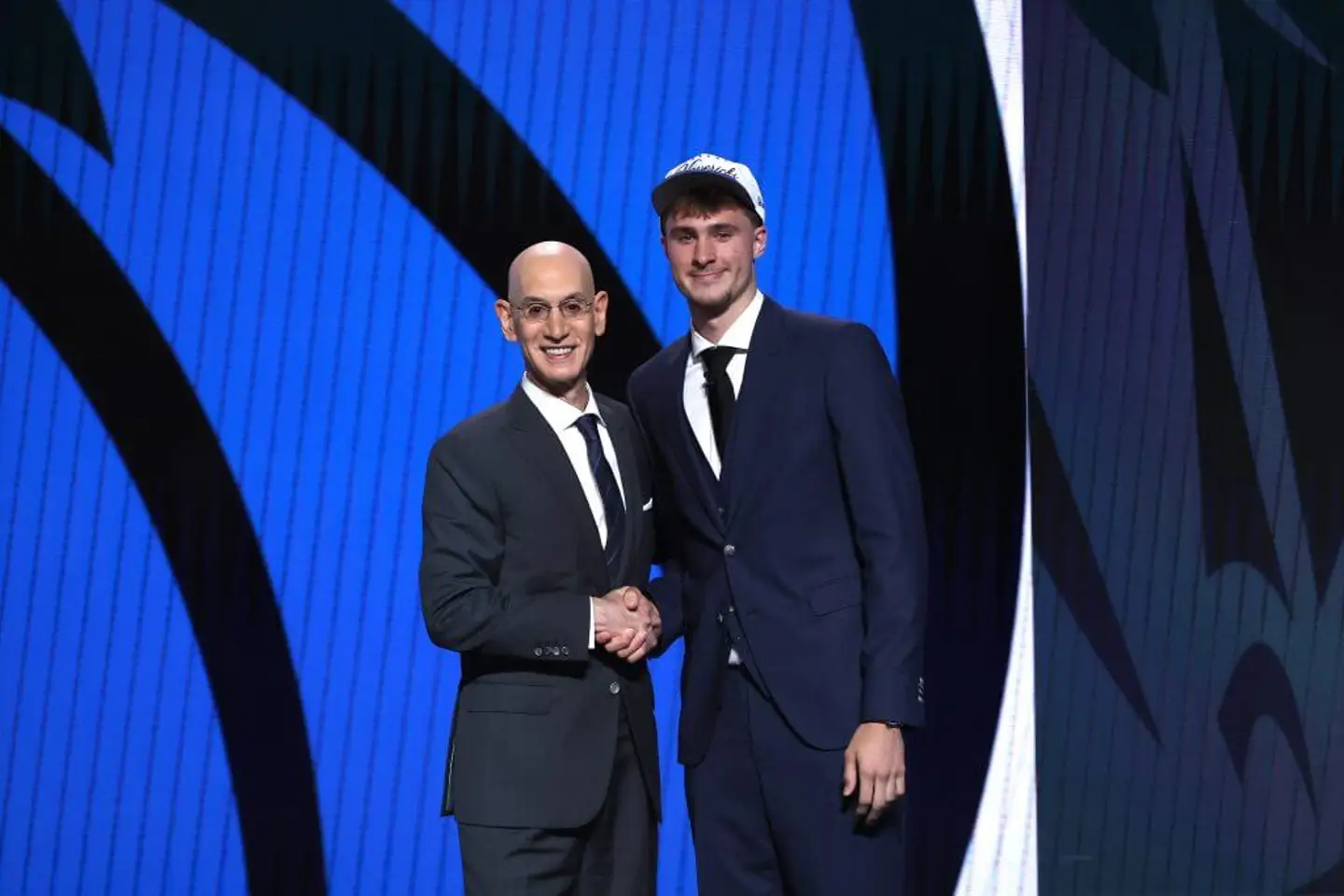
The NBA is finally taking a sledgehammer to the “race to the bottom.” In a virtual meeting on Tuesday, league officials presented a groundbreaking draft lottery reform proposal to all 30 general managers. Known internally as the “3-2-1” system, the plan aims to strip away the incentive for teams to gut their rosters for a shot at a generational superstar.
If the Board of Governors approves the measure on May 28, the days of blatant tanking are numbered. The league wants every team fighting for wins until the final buzzer of Game 82. Under this new framework, which would kick in for the 2027 draft, the lottery field expands from 14 to 16 teams. But there is a catch: the teams with the absolute worst records will no longer hold the best odds.
NBA Commissioner Adam Silver has made competitive integrity his primary target for 2026. “The incentives need to be fixed,” Silver recently noted. “We are going to fix them. Full stop.”
The Relegation Zone: Punishing the Bottom
The most jarring aspect of the “3-2-1” proposal is the introduction of a “Draft Relegation” zone. For decades, finishing last was the goal for rebuilding franchises. Now, it’s a penalty box. The three teams with the worst records will see their lottery balls slashed, while teams that stayed competitive in the middle of the pack get a boost.
How the Lottery Balls Would Be Distributed
While the bottom three teams lose out on top odds, the league did offer one olive branch: a safety net. These “relegated” teams cannot pick lower than 12th. Every other lottery team could slide as far down as the 16th spot.
Closing the “Process” Loopholes
The NBA isn’t just changing the math; it’s changing the rules of engagement. The league is tired of seeing teams camp out in the top five for half a decade. To prevent another “Process”-era rebuild, the proposal introduces strict frequency limits.
-
No Back-to-Back Top Picks: No team can win the No. 1 overall pick in consecutive years.
-
The “Three-Five” Rule: Teams are barred from winning three consecutive top-five picks.
-
Protection Ban: Teams can no longer protect traded picks in the 12 to 15 range. This ensures middle-tier assets actually change hands rather than lingering in limbo for years.
The league is also seeking expanded disciplinary powers. If an investigation proves a team is resting healthy stars to slide down the standings, the league office could manually strip lottery balls or drop that team’s draft position.
Front Office Friction: The GMs React
The atmosphere during Tuesday’s virtual call was described by sources as “intense but productive.” You could feel the anxiety from small-market executives who rely on the draft to survive. While the majority of GMs reportedly support the reform, a vocal minority argued that the “Relegation Zone” is too punitive for teams facing legitimate injury crises or talent droughts.
“There’s a difference between a team trying to lose and a team that just isn’t good enough yet,” one Western Conference GM noted. Some executives are pushing for the relegation floor to be moved from the 12th pick up to the 10th to soften the blow.
The proposal includes a sunset provision that would see the system expire after the 2029 draft. This gives the league a three-year trial run to see if the “3-2-1” math actually changes front-office behavior or just creates new headaches. For now, the message is clear: in the 2026-27 NBA season, losing on purpose might be the most expensive mistake a franchise can make.